
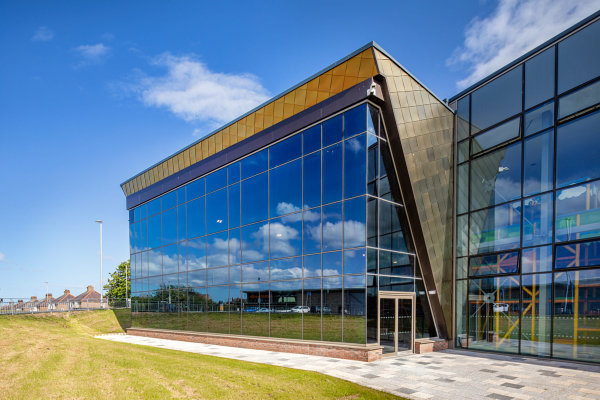
The design and specification of fenestration systems can go a long way toward helping to create buildings that work with, rather than against, the natural landscape. In our latest blog, we look at how architects can embrace the principles of biophilic design while keeping sustainability targets and Building Regulation compliance clearly in view.
Sustainable choices
Future-proofing buildings requires specifiers to choose products that not only meet current regulations but exceed them, and this forward-thinking approach is key to enhancing the experience of a building’s users. As well as being functional, fenestration systems can help create truly inspirational interiors where inclusivity, wellbeing, and comfort are prioritised, and where the natural environment is always at the forefront.
Greater use of natural light, wider views of the outdoors, and easier access to external areas are all recognised as having a positive impact on the health and wellbeing of building occupants. However, this must be balanced with the operational cost, both monetary and environmental, of incorporating large amounts of glazing into buildings.
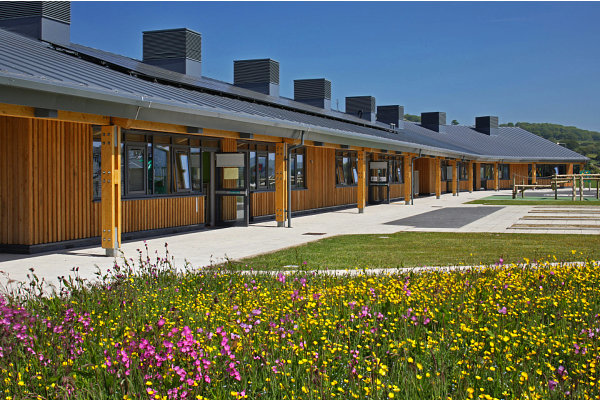
The WELL Building Standard places strong emphasis on creating healthier indoor environments, and there are several areas where the correct design of aluminium fenestration systems is essential. These include access to natural light (Feature L03 – Circadian Lighting Design), quality views of the outdoors (Feature V01), thermal comfort (Feature T02), and enhanced ventilation (Features A01–A05). Meanwhile, both the updated Building Regulations and Passivhaus Standard require buildings to achieve exceptional levels of energy efficiency and thermal performance, with strict criteria for airtightness and heat loss.
There is a lot to navigate but working with a reputable manufacturer with a proven track record of delivering advanced aluminium fenestration systems, including thermally enhanced frames and glazing options to achieve ultra-low U-values, is a good place to start. Through early and close collaboration within the supply chain, the most appropriate solutions can be found to create stunning fenestration designs that provide optimal daylighting, reduce energy demand, and boost occupant comfort, all while supporting the key principles of biophilic design.
The benefits of aluminium systems
Aluminium fenestration systems offer a number of practical and environmental benefits that make them a reliable choice for both contemporary and biophilic design schemes. The inherent strength of aluminium enables larger panes of glass to be supported by slimmer frames, allowing more natural light into the building while maintaining structural integrity. This is particularly advantageous when creating open, light-filled spaces that foster a deeper connection with the surrounding landscape.
From an environmental perspective, aluminium is also one of the most sustainable materials in use today. It can be recycled repeatedly without any loss of quality, and many manufacturers are working to improve the availability of recycled material in the UK to further reduce embodied carbon and support circular economy goals.
Curtain walling and the connection to nature
Aluminium curtain wall systems continue to offer architects a versatile way to create striking façades that strengthen the visual and physical connection between interior spaces and the outside world. Whether used across full-height elevations or as feature areas, curtain walling is an effective way to maximise views, increase daylighting, and bring a sense of openness to a building.
Slim sightlines are key to achieving these benefits, as they reduce visual barriers and allow for a greater expanse of glass. Alongside this, thermal enhancements to both the frame and glazing can support energy-efficiency objectives by reducing heat loss during colder months. The inclusion of solar shading or louvre systems can also help prevent solar gain and overheating during warmer periods, creating a more consistent and comfortable internal climate throughout the year.
Door systems and access to outdoor spaces
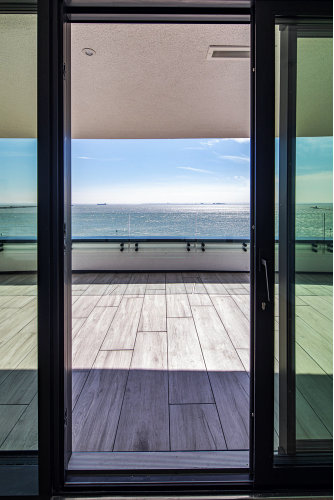
Aluminium door systems provide a flexible way to meet a variety of access needs while contributing to the overall building performance. Options such as sliding or bi-fold doors help to open up interior spaces and create seamless transitions to external areas, supporting outdoor learning, working, or leisure activities, and further enhancing the sense of connectivity with nature.
Commercial entrance doors, particularly those designed with robust glazed panels, also contribute to improved daylighting in communal or high-traffic areas. With the availability of different threshold types, inclusive access can be more easily achieved without compromising on thermal performance.
In refurbishment or heritage projects, traditionally styled aluminium doors offer a sympathetic design solution while delivering modern performance standards. This allows older buildings to meet today’s requirements for energy efficiency and accessibility while preserving their architectural character.
Window systems and thermal performance
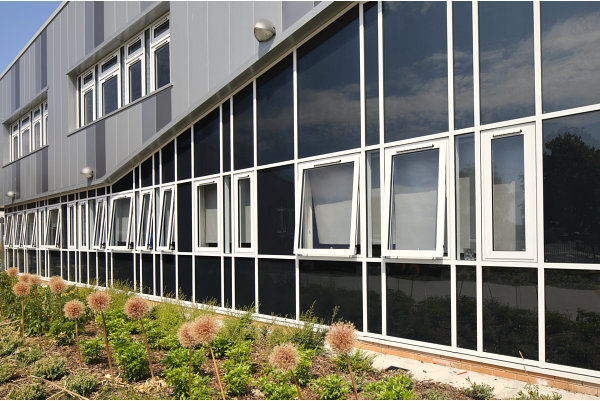
Windows play a vital role in both the design and environmental performance of a building and it’s important to look for a system that offers exceptional thermal efficiency but is also available in a range of different opening styles. Given the proportion of a building’s energy that can be lost through poorly performing windows, ensuring compliance with Part L and achieving low U-values are crucial steps in reducing operational carbon.
A considered approach
As sustainability becomes more deeply embedded into both the regulatory and practical requirements of modern architecture, glazing systems are playing an increasingly pivotal role. The specification of aluminium-framed solutions, whether for curtain walling, doors, or windows, offers architects a reliable means of improving building performance while responding to the human-centric principles of biophilic design.
Comments are closed.